The Full-Price Floor: Why UK Streetwear Is Leaving Black Friday Doorbusters Behind
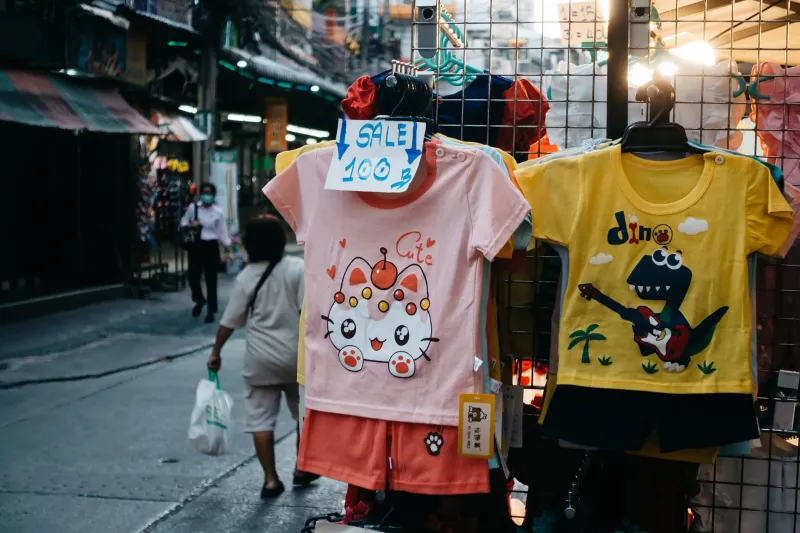
Black Friday used to land in UK streetwear like a weather event. You would see the same graphics, the same countdown timers, the same percentage off plastered across every shop window from Berwick Street to the Northern Quarter. By Friday morning, the good stuff had gone and the leftovers were piled in bins by the door. In 2026, the mood is different. Plenty of UK labels and independent stores are looking at the last week of November and deciding not to play the game at all.
That does not mean the discounts have vanished. Big-box sportswear, fast fashion and marketplace sellers will still go hard on Friday 27 November. But inside the independent streetwear scene, there is a growing full-price floor: a deliberate decision to hold the line on core stock, keep drops tight and let the calendar do less of the talking. For anyone who has watched a favourite brand train its customers to wait for 30 per cent off, this feels like a correction.
The discount hangover
Blanket Black Friday discounting is a bit like putting a crease in a trainer you have not worn yet. It looks like a quick win, but you feel it later. If a hoodie is £95 in September and £45 in November, the £95 was never really the price. Customers learn the pattern. They wait. They set reminders. They stop buying at full price because they know the brand will blink.
UK streetwear has spent years watching that cycle eat into credibility. A label can spend all season building a story around small runs, UK manufacturing and a specific fit, then undercut the whole thing with a sitewide sale. The product might shift, but the message gets muddled. Why pay full whack for a limited run if the same piece is going to be stacked in a clearance rail six weeks later?
That is the tension labels are trying to avoid in 2026. The cost-of-living squeeze is real, and nobody is pretending otherwise. But a race to the bottom is not the same as value. For a lot of independents, the better move is to protect the price of the pieces that carry the brand and use quieter, more targeted ways to move old stock.
Why labels are sitting it out
There are practical reasons behind the full-price stance. Margins on independent streetwear are not fat. A small label paying for UK screen printing, better blanks, custom labels and proper photography does not have the same room to manoeuvre as a global sportswear giant. A sitewide 40 per cent off event can wipe out the profit on a whole run and leave nothing for the next sample round.
Then there is resale. Streetwear has always had a second-life economy, and buyers clock which brands hold value. A full-price hoodie from a label that makes 300 units will usually hold its shape and its appeal better than a discounted one from a brand that restocks every fortnight. Scarcity is not everything, but it is part of the story. When a brand discounts core lines too aggressively, the resale market notices, and so do the people who paid full price on drop day.
The smarter independents are also getting better at alternatives. Archive sales, sample rails, repaired pieces, bundle offers, members-only restocks and mystery drops can clear stock without turning the main collection into a car boot. It keeps the full-price customer feeling looked after and gives the bargain hunter a different lane to shop in. That is a more honest arrangement than pretending a £120 jacket was always worth £240.
What it means on the shop floor
For customers, the first thing you will notice is fewer loud sitewide sales and more specific offers. A shop might do 20 per cent off past-season knitwear, not everything. A label might open a warehouse sale for odd sizes and samples, while keeping the new drop at full price. You will need to read the small print rather than assume the whole store is fair game.
The second thing is that full price is not automatically a rip-off. It can be the price of a smaller run, a better fabric, a UK-based printer or a fit that has actually been tested on real bodies. That does not mean every expensive piece is good. It means the conversation should be about what you are getting, not just what percentage is hanging off the rail.
For shops, holding the line is a test of nerve. November is a big month for cash flow, and every independent owner knows the rent is due whether the rails are full or empty. But the ones choosing to sit out blanket Black Friday are usually doing it because they have built a customer base that understands the rhythm: buy the drop you love, skip the ones you do not, and do not expect the brand to beg in late November.
How to spot a marked-up markdown
Not every Black Friday deal is fake, but plenty are dressed up. The first check is the price history. If a jacket launched at £100, spent two months at £140 and is now £90 for Black Friday, that is not a saving. It is a return to something closer to the original price with extra theatre.
The second check is stock depth. A genuine clearance deal usually has odd sizes, broken size runs or a colourway that did not land. A so-called deal on a full size run of a core black hoodie is often just a marketing event. Ask yourself whether the brand would be doing this if the product was still selling at full price.
The third check is the terms. Final sale, no returns, no exchanges and excluded from loyalty points all change the value of a discount. A 25 per cent saving on something you cannot return is not the same as a 15 per cent saving on something you can try on in store and send back if the fit is off.
Real deals tend to look a bit boring: last season's colour, a sample with a slightly different label, a repaired piece, a bundle that actually saves you money on things you were going to buy anyway. Fake deals look exciting for about ten seconds, then you realise you have bought a marked-up markdown in a hurry.
The full-price floor is not a loyalty test
There is a fair criticism here. In a cost-conscious market, telling people to pay full price can sound tone-deaf if the brand has not earned it. The full-price floor only works when the product is good, the drops are honest and the shop treats customers like people rather than traffic. A label that makes average gear, hides behind scarcity and then refuses to discount is not protecting credibility. It is just charging more.
The ones getting it right are clear about what they are selling and why it costs what it costs. They are also realistic. They know people will shop around. They know a £100 purchase is a decision in 2026. The difference is that they would rather earn that £100 with a product worth keeping than chase a Black Friday spike that makes the rest of the year feel like a waiting game.
So if your feed looks quieter than usual on Friday 27 November, do not assume the scene has gone soft. It might just be growing up. The full-price floor is not about refusing to offer value. It is about refusing to pretend that a countdown timer is the same thing as a good product. Shop the drop, check the price history, ask what the sale actually includes, and remember that the best deal in UK streetwear is usually the piece you still want to wear in February.