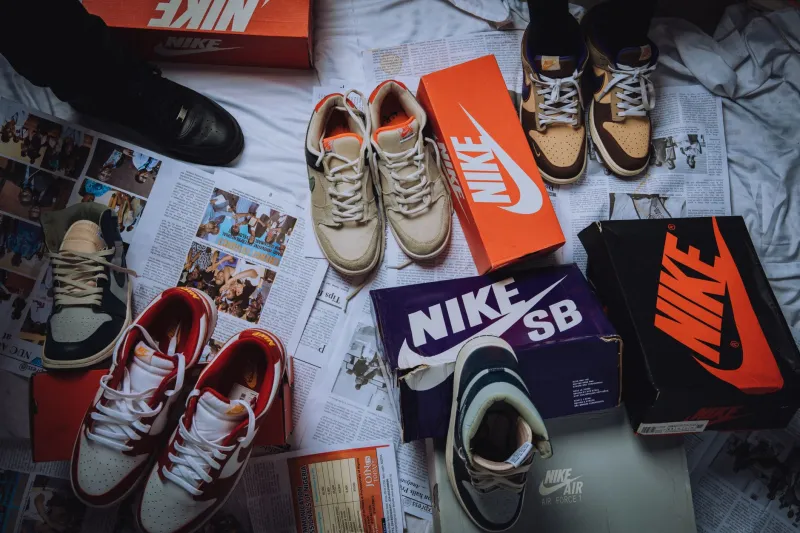
Cooling Racks, Clearer Heads: Inside UK Streetwear's Quieter Secondhand Market
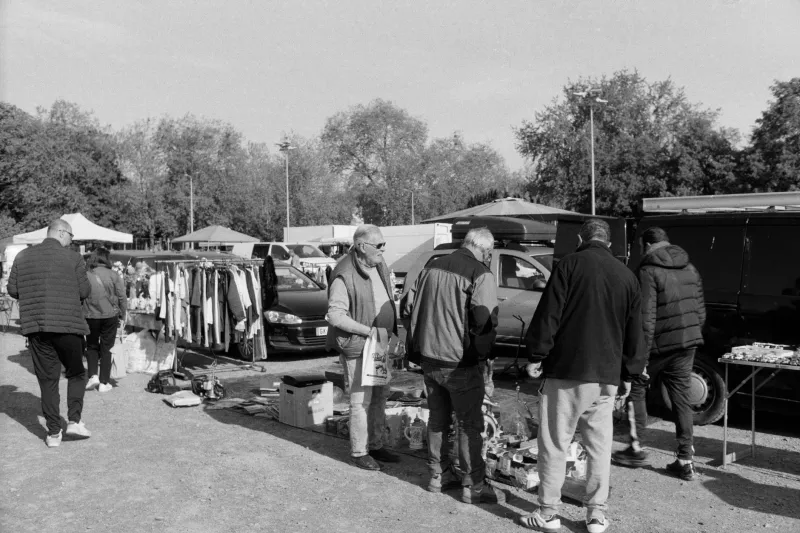
For most of the last decade, the secondhand market was the scoreboard. A pair sold out, the resale figure told you whether it mattered, and everyone nodded. In autumn 2026 that scoreboard is running slow. Not broken — just no longer the loudest thing in the room.
That's a big shift for a culture that spent years treating a sold listing as a review. So let's actually audit it: what's softening, who it hurts, who it helps, and how you should be buying now.
The signals are small but they're everywhere
Look at any UK platform and the pattern repeats. Asking prices on mid-tier heat are holding, but the sold prices underneath them have quietly drifted. Watchers outnumber buyers. Items that would have moved in an afternoon now sit for a fortnight, get bumped, get reduced. Sellers are accepting offers they'd have laughed at two winters ago.
Meanwhile the platforms themselves have reshaped the maths. When Depop pushed its fees onto buyers and Vinted made selling feel costless, it changed behaviour: people stopped pricing for a quick flip and started pricing to actually clear. Add a cost-of-living squeeze that has made everyone think twice about a £280 jacket they'll wear four times, and you've got a market that rewards patience instead of panic.
What the hype tax really was
The 'hype tax' was never about the clothes. It was the premium you paid for not waiting — for certainty, for the flex of owning something the week it landed. During the 2021 boom, that premium got absurd, then normal. People built side hustles on it. Bots got involved. Queues turned into logistics operations.
Two things killed it. First, supply: brands spent 2022 and 2023 overproducing, then corrected hard, and a lot of the so-called rare stuff turned out to be merely delayed. Second, taste: a generation of buyers got tired of wearing an investment. Archive hunting, styling, repair, and the quiet-luxury no-logo drift all pointed the same way — towards clothes you actually live in.
The flip is out, the wear is in
There's a phrase doing the rounds in group chats right now: cost per wear, or CPW. It's unglamorous and it's the most useful metric in streetwear. A £180 overshirt worn three times a week from October to March beats a £400 grail that lives in a dust bag.
That mindset change is the real story here. Resale cooling isn't a failure of streetwear — it's what happens when buyers stop treating their wardrobe as a portfolio. The consequence is a market where condition, provenance and fit matter more than hype, which is broadly good news for anyone who actually wears this stuff.
What smarter buying looks like from here
A few practical rules for the current climate.
- Buy at retail when you'd wear it thirty times. If the answer is yes, the resale number is irrelevant to you.
- Watch sold prices, not asking prices. Sort by completed listings, screenshot the last five, and you'll know what the item is worth within ten minutes.
- Use saved searches and want lists. The best bargains in a slow market come to you, three weeks later, from a seller who needs it gone. Patience is now a discount.
- Grade condition ruthlessly. Ask for photos of soles, cuffs, inner labels and pit-to-pit measurements. Flaws are negotiating leverage, not a reason to walk.
- Match the platform to the purchase. Vinted for everyday volume, Depop for styling and one-off vintage, eBay for genuinely old pieces, in-person for anything over a few hundred quid. Never forget to add the buyer fee before you decide it's a bargain.
- Check the returns position twice on anything you can't inspect first. A cheap jacket that doesn't fit is an expensive jacket.
What brands should take from this
Quieter aftermarkets are a message, and the smart labels are already reading it. Fewer, better drops. Proper restocks instead of twelve colourways nobody asked for. Wider size runs. Repair services and archive sales that reward long-term fans. Transparent pricing that doesn't assume a queue will fix everything.
Scarcity still sells, but it's a spice, not the meal. Brands that built their whole identity on being hard to get are finding out that the same mechanism that creates buzz also creates apathy when the resale premium disappears. The ones doing well in 2026 are the ones whose product is worth buying at full price for reasons other than the aftermarket.
The bit nobody wants to admit
A slower market has costs. Fewer flips means less buzz, fewer independent shops opening, less of that electric week-one energy. Collabs feel more like admin than events. Some of the fun has gone out of the chase.
But the trade-off is real: fewer bots, shorter queues of people who don't want the item, and a much better chance that the people who do want it get it. Streetwear grew up on the street, not in a spreadsheet. A little less hype and a lot more wear is, on balance, where this scene should be.
The hype tax has been refunded. Spend it on something you'll actually put on tomorrow.