Ten Hangers, Thirty Days: The Rotation Test That Put UK Streetwear on the Spot
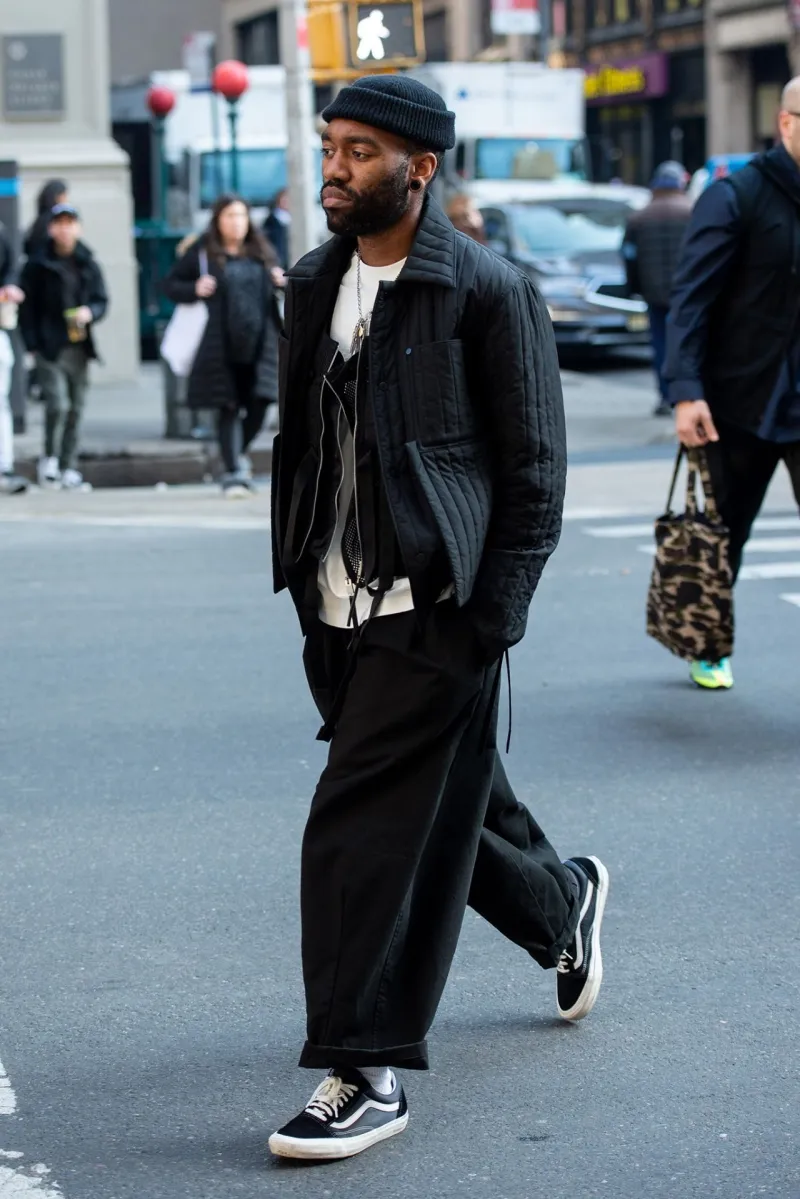
Photo: streetwear capsule wardrobe rail hoodies trainers autumn UK urban fashion, via i.pinimg.com
The UK streetwear wardrobe has a habit of getting ahead of itself. We buy for the version of our lives that exists in a group chat — the gig, the drop queue, the trip that might happen — then reach for the same four things on a wet Tuesday. In autumn 2026, M10 set three wearers a stricter brief: choose ten core pieces, wear only those for thirty days, and log every fit, every cost-per-wear calculation and every drop they nearly broke for.
Not a moral test. More like a wardrobe audit with witnesses.
The Brief: Ten Pieces, No Escape Hatch
The ten core pieces included tops, bottoms, outerwear and one pair of trainers. Accessories, underwear, gym kit and work uniform were exempt; new purchases were not. The wearers picked their own ten, which matters. A capsule chosen by a stylist is a mood board. A capsule chosen by someone with a bus pass, a laundry basket and a social life is a reality check.
They documented outfits daily, noted the pieces that never left the hanger and kept a running list of drops they wanted but did not buy. No borrowing, no emergency online order, no quiet swap halfway through. If a piece was in, it had to earn its place.
Three Cities, Three Different Fights
Aisha, 26, is a designer in Manchester. Her ten leaned utility: a waterproof shell, two hoodies, an overshirt, straight-leg jeans, a knit, a tee, track pants, leather trainers and one smarter jacket for dinners. By week two she missed a nice top more than any sneaker. Manchester weather does not reward optimism, and her rotation had to handle tram stops, studio days and pub gardens that turn cold without warning.
Callum, 23, works in retail and creative projects in London. His ten had to survive tube heat, after-work pints and a long bus home. He included a light quilted gilet and a cap that became a coping mechanism. London made him realise that layering is not just a style choice; it is temperature control for a city that runs hot and cold in the same hour.
Nia, 29, is a student and bar worker in Glasgow. Her month involved late shifts, long walks and a lot of rain. Her ten were built around boots, a fleece, heavy denim and secondhand knitwear. She was the only one who finished under budget, largely because her ten came from what she already owned. Glasgow did not ask for a new wardrobe. It asked for clothes that could take a beating and dry out overnight.
The First Week Is a Lie
The first seven days are a styling holiday. Everything feels fresh because the restriction is new. By day eight, the cracks show. The hoodie that only works with one pair of jeans. The jacket that needs a specific top to look right. The trainers that are great for a photo and miserable for a twenty-minute walk.
A ten-piece rotation exposes lazy pieces fast. If a jacket only works with one hoodie, it is not a jacket; it is a costume. By the second week, all three wearers had built loose uniforms: a base layer, a mid layer, an outer shell and one deliberate accent. The fits got simpler, but they also got sharper. Repetition did not kill style. It clarified it.
Cost-Per-Wear Does Not Lie
Each wearer logged price and wears. The results were less about cheap versus expensive and more about whether a piece had a job. Callum worked out that a £145 hoodie worn nineteen times cost him £7.63 a wear, while an £80 tee worn three times cost £26.67. Aisha’s statement jacket, bought for a specific night out, landed at £95 per wear because it only suited two outfits in the month. The most expensive piece was rarely the problem. The most specific piece was.
Nia’s £12 secondhand knit became the month’s quiet winner at under 50p per wear. It went with everything, handled the cold and did not complain. Cost-per-wear is not a personality, but it is a useful mirror. It shows which clothes are doing the work and which are just occupying space.
The Near-Miss Drops
October is not a quiet month in UK streetwear. There were raffles, restocks and a Tuesday morning drop that had Callum refreshing at his desk. The rule was simple: add it to a note, wait 48 hours, then decide. Most temptations faded. The ones that stayed were usually gaps rather than wants.
Aisha nearly bought cargo trousers she had no room for. Nia spotted a jacket in a charity shop and photographed it instead of buying it. Callum came close to a sneaker release before admitting his existing pair had already done more for his fits than any new box fresh pair could. The drop calendar did not slow down. The wearers got better at telling the difference between excitement and an actual need.
By week four, the group chat had changed. It was less are you copping and more does this replace something. That is the small shift the challenge was built to test.
What the M10 Rule Actually Reveals
The obvious conclusion is that ten pieces is plenty. The more useful one is that UK street style does not run on constant newness alone. It runs on rotation literacy: knowing which pieces carry a week, which layers do the quiet work and which buys are only there for the fantasy self.
The M10 rule we landed on is simple: a piece has to earn its place in the rotation, not just in the basket. If it cannot work three ways, in real weather, with the trainers you actually wear, it is not a staple. It is a one-night stand.
That does not make drops pointless. The UK scene would be dull without them. Drops create energy, ideas and the thrill of the chase. But a wardrobe is not a feed. It is a set of tools for getting dressed in a country where the sky changes its mind by lunchtime. The best UK streetwear is not always the loudest thing on the rail. Often it is the piece that keeps showing up without asking for applause.
After thirty days, none of the three wanted a bigger rotation. They wanted sharper pieces. Aisha planned to replace two almost-right tops with one good overshirt. Callum admitted his trainers had done more for his fits than any new release. Nia kept her ten mostly as they were.
The Month After
The challenge ended on a Sunday. By Monday, the group chat was back on drops. Fair enough. The point was never to opt out of streetwear culture; it was to stop letting the culture do the thinking. Ten hangers, thirty days and one uncomfortable truth: the best pieces are the ones you stop noticing because they keep showing up.
If a ten-piece month sounds severe, start smaller. Turn ten hangers around, wear what you own, and see what you reach for. The M10 rule is less about restriction than recognition — a wardrobe that works harder, so you do not have to.