A Ton, Three Fits: What £100 Actually Buys You in UK Streetwear Right Now
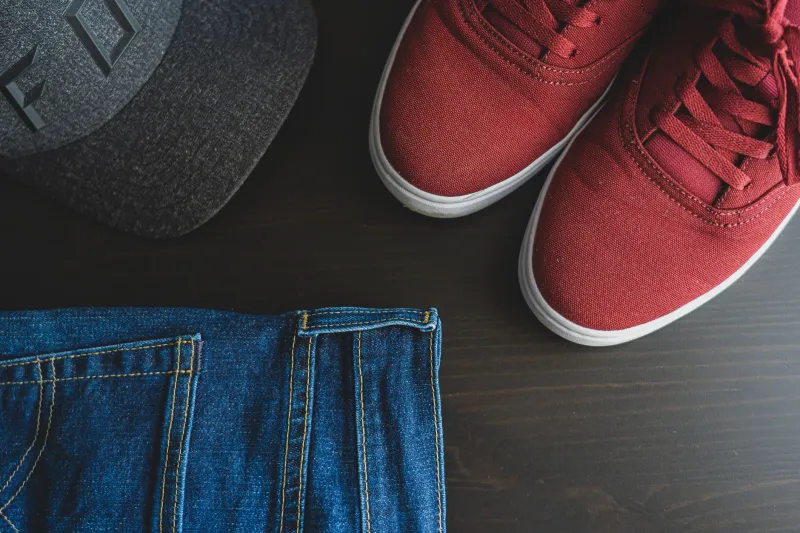
£100 used to feel like a decent budget for a full streetwear fit. In 2026, it feels more like a test. Sneaker prices have climbed, resale platforms take their cut, and even basics can carry a markup if the logo is right. So we set ourselves a simple challenge: build three head-to-toe looks for under a ton, using only charity-shop finds, outlet picks and under-the-radar UK labels. No gifted gear. No fake pieces. No borrowing from a mate.
The rules were strict. Each fit had to include top, bottom and footwear, with a layer where possible. Everything had to be wearable in the UK weather — not a fantasy summer outfit photographed in a heatwave. Prices are approximate and depend on where you shop, but the totals are real.
Route One: The Charity-Shop Scavenger
The first fit started in a British Heart Foundation shop in Leeds and ended on Vinted. The base was an oversized vintage sweatshirt, £8, slightly faded in a way that would cost £70 in a fashion store. Straight-leg workwear trousers came from a car boot sale for £12. A plain leather belt was £3 from the same charity shop. The sneakers were secondhand — a clean pair of grey suede trainers for £35, bought after checking the soles and asking for extra photos. Socks were £5 for a three-pack. Total: £63.
That leaves £37 for a layer. A barn jacket from a charity shop in Birmingham cost £15, bringing the fit to £78. It is not head-to-toe hype. It is head-to-toe intentional. The trick is to shop the shape, not the label. Look for heavy cotton, good stitching and a colour palette that works with what you already own. Charity shops in student areas and market towns tend to have better stock than the rails in busy city centres.
Route Two: The Outlet Raid
The second fit was built in one afternoon at an outlet park and a TK Maxx. A plain heavyweight tee was £10. Loose cargo trousers were £22 from an outlet own-brand rail. A previous-season pair of trainers was £45 — not the colourway everyone wanted, which is exactly why they were still there. A cap was £8. Total: £85.
The fit works because the colours are quiet: black, stone and white. The trousers do the heavy lifting, the tee is thick enough to hang properly, and the trainers look better once they have been worn in. The remaining £15 could go on a secondhand overshirt or a pack of good socks. Outlet shopping is not glamorous. It is a skill. Go with a list, try everything on, and ignore the “was £120” tags. A discount on something you would not wear is not a bargain.
Route Three: The Under-the-Radar UK Label
The third fit was the hardest to keep under £100. Small UK labels are making some of the best-shaped basics in the country, but their prices are rising. We found a heavyweight tee from a small-batch UK brand for £18 in a sale, wide-leg trousers from a Manchester-based label for £35, and a six-panel cap for £12. The sneakers were secondhand again — £30 for a pair with light creasing and plenty of life left. Total: £95.
That is the real ceiling. At £95, you are not buying clout. You are buying fit, fabric and a bit of independence. The trousers have a proper rise, the tee holds its shape, and the cap does not look like it came free with a phone contract. The savings come from buying one or two pieces from labels that do not spend fortunes on ads, then filling the gaps with secondhand.
Where the Ton Breaks
The £100 challenge is possible in 2026, but it is not easy. It requires patience, a bit of pride in the hunt and a willingness to say no to the first thing that fits. It also exposes the awkward truth about budget versus hype. A single hyped hoodie can cost more than all three of these outfits combined. That does not make the hoodie bad. It just makes it a different purchase.
The question is where you draw the line. Would you rather have one piece that carries the name everyone knows, or a full fit that looks like you? For some people, the grail is the point. For others, the fun is in making £100 work harder than it has any right to.
Our take: build the fit first. If a hyped piece still makes sense after that, save for it. If it does not, you have just saved yourself £200 and gained a wardrobe that actually gets worn. The ton is not a limit. It is a reminder that style is a skill, not a receipt.
What is the best full fit you have built for under £100? Send us a photo — we are collecting the best budget builds for a future M10 Streetwear round-up.