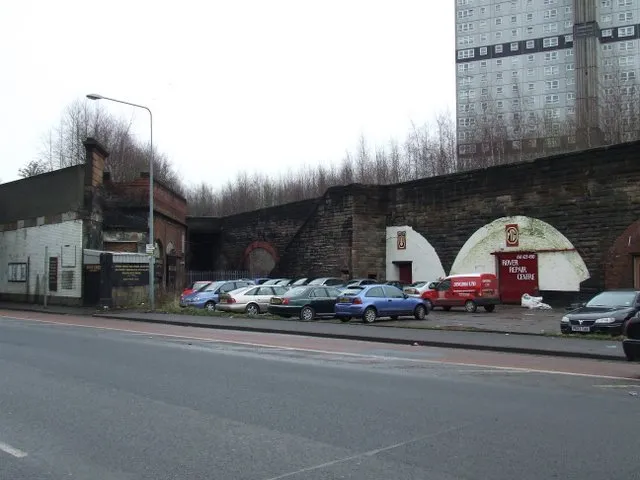
Fluorescent Fits: The Corner Shop Forecourt Is UK Streetwear’s Most Honest Runway
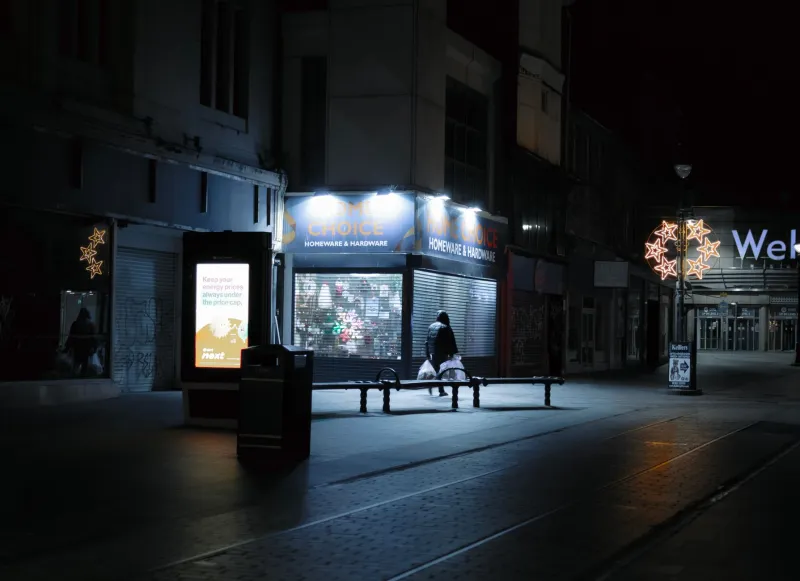
There is a specific kind of UK streetwear image that stops you mid-scroll. It is not a model on a cyclorama. It is not a lookbook shot in a car park with a moody caption. It is someone in a decent jacket, decent trainers and a slightly tired expression, standing outside a corner shop at 8.47pm while the fluorescent tubes turn the pavement the colour of a stale energy drink.
The offie run has become the backdrop of the moment. Not because it is quirky, and not because brands have suddenly discovered working-class aesthetics. It is because the corner shop forecourt does something that a studio cannot: it gives a fit somewhere to exist. Weather, clutter, bus routes, receipts, a shopkeeper stacking crates — all of it makes the clothes look worn rather than borrowed.
The anti-studio backdrop
Campaign photography still has its place. A clean image can make a product sing. But in 2026 the feed is crowded with gloss, and readers have got very good at spotting when a shoot has been built around a vibe rather than a place. The forecourt is the opposite of that. It is already there. The light is already doing something. The puddles are already reflecting the shop sign. All you have to do is not ruin it.
Photographers I spoke to for this piece kept coming back to the same word: honesty. Samir, a Leeds-based photographer who has shot for a handful of independent UK labels, put it plainly. “You can fake a lot of things in a studio,” he said. “You cannot fake a Londis forecourt at nine at night. Either the light is working or it is not. Either the pavement is wet or it is not. The image has to deal with the real world.”
That is the appeal. A studio image says, look at this collection. A forecourt image says, look at this person going about their evening. The clothes are part of a life rather than a concept.
Why it cuts through
Label founders are noticing. Maya, who runs a small cut-and-sew label in Manchester, told me she started shooting lookbooks outside shops because studio hire was eating her margin and because the results felt closer to her customers. “Our audience does not live in a white room,” she said. “They live near a Premier, a bus stop and a chicken shop. If we shoot there, people recognise it. They know that corner. It makes the clothes feel attainable without making them look cheap.”
There is a fine line here. The forecourt can become a lazy shorthand for “authentic” if it is handled badly. The difference is whether the place is treated as a set or as a place. If you are barking at a shopkeeper to move out of frame while your mate holds a reflector, you have missed it. If you are buying a drink, waiting your turn and shooting what is actually there, you are closer.
The best images from this new wave are not grim. They are not poverty tourism. They are warm, funny and specific. A carrier bag in one hand. A mate half in frame. A shop sign buzzing. The kind of details that make a UK audience trust the image before they have even clocked the brand.
The UK weather advantage
A British November is not usually sold as a creative asset. But wet tarmac, low cloud and early darkness give after-dark photography a texture that is hard to manufacture. The pavement becomes a second light source. Shop windows throw colour onto trainers. Bus headlights drag across a jacket. The whole street looks like it has been lit by someone with a very small budget and a very good eye.
That is why the offie run works so well here. In a city where nights are long and pavements are shiny from October onwards, the corner shop is a natural studio. It is open late, it is local and it already has the kind of lighting that makes a black jacket look interesting.
How to shoot your own after-dark fit
1. Pick the right forecourt
Look for a shop with useful light and room to stand without blocking the door. A bright shopfront with a bit of pavement in front gives you depth. A forecourt with petrol pumps can work, but only if you are not getting in the way of actual cars. Small parade of shops, laundrette, kebab shop, bus stop — all useful. Ask the shopkeeper if you are going to be there for more than a couple of minutes. Buy something. It is not complicated.
2. Work with the light you have
The fluorescent glow is the point. Do not try to make it look like golden hour. On a phone, tap to expose for the face, then pull the brightness down slightly so the shop sign does not blow out. If you are using flash, keep it low and direct — a hard flash against a wet pavement can look sharp and intentional. If you are shooting available light, brace your phone against a wall or use night mode carefully. Movement is fine. Blur is fine. A slightly messy image often beats a technically perfect one here.
3. Style for the setting
You do not need a full outfit change. One strong piece is enough: a good jacket, a clean trainer, a scarf with a bit of colour, a bag that looks like you actually carry things in it. Avoid dressing like a mannequin. The forecourt rewards layers that look practical and silhouettes that read at a distance. If it is raining, do not fight it. A wet shoulder or a hood up can make the image.
4. Give your subject a job
Standing still and staring at the camera is the fastest way to look staged. Ask them to walk out with a drink, check their phone, wait for a mate or cross the forecourt. Shoot in bursts. Let them forget the camera for ten seconds. The best frame is usually the one just before or just after the one they would have chosen.
5. Edit with restraint
Do not crush the blacks until the shop sign turns into a void. Keep the greenish-white fluorescent cast. Keep the reds and yellows from the price posters. Crop out the clutter that does not add anything, but leave enough context to show where you are. The image should feel like it was taken, not manufactured.
The etiquette bit
This only works if you are not a nuisance. Do not block doorways. Do not photograph staff or customers without asking. Do not use flash in people’s faces. If someone asks you to move on, move on. If security turns up, be polite and leave. The corner shop is not a free studio; it is someone’s livelihood and a local hub. Treat it like both.
Last orders
The offie run is not a trend that needs a marketing strategy. It is a reminder that UK streetwear looks best when it is attached to real streets, real weather and real people. The forecourt does not make a fit cool. It makes it believable. And in 2026, believable is the thing that cuts through.