Crown Adjustment: What a Fresh Cut Does to Everything Above the Collar
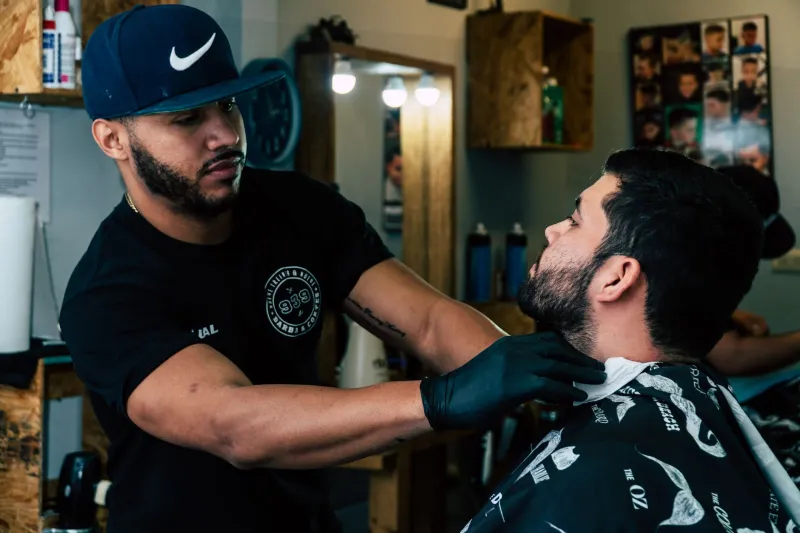
There is a mirror in a barbershop off Oldham Street that has ended more outfit arguments than any group chat. It doesn't care about your saved folder of inspo pics. It doesn't care that the hoodie looked hard in the shop window. It shows you, under flat light, with your coat off and your hood down, whether the whole thing actually works. That's the moment this piece is about.
Because in UK streetwear, we talk endlessly about the drop, the trainer, the fabric weight. We rarely talk about the cut on top of the head doing half the styling. A fresh trim doesn't just change your face shape. It changes how a cap sits, how a hood stacks, how a collar lands, how much neck you're showing. Get it wrong and a good fit looks borrowed. Get it right and a plain outfit suddenly has intent.
The chair is the changing room you didn't book
Walk into a decent barbershop in Manchester, London or Leeds on a Saturday and you'll see the real runway. Not the polished version. The version where people have worn their best jacket but forgotten the hood is too bulky for a fresh taper. Where the cap is fighting the fade. Where the collar is doing too much because the neckline just got cleaned up.
Barbers notice. They see fits in motion — coat off, shoulders dropped, hood pulled down. One Leeds barber told me he can usually tell what kind of week a client has had by what they wear into the chair. Not in a judgemental way. In a 'that hoodie is going to sit weird with a skin fade' way. That's useful information. More useful than most style content.
The cap equation changes overnight
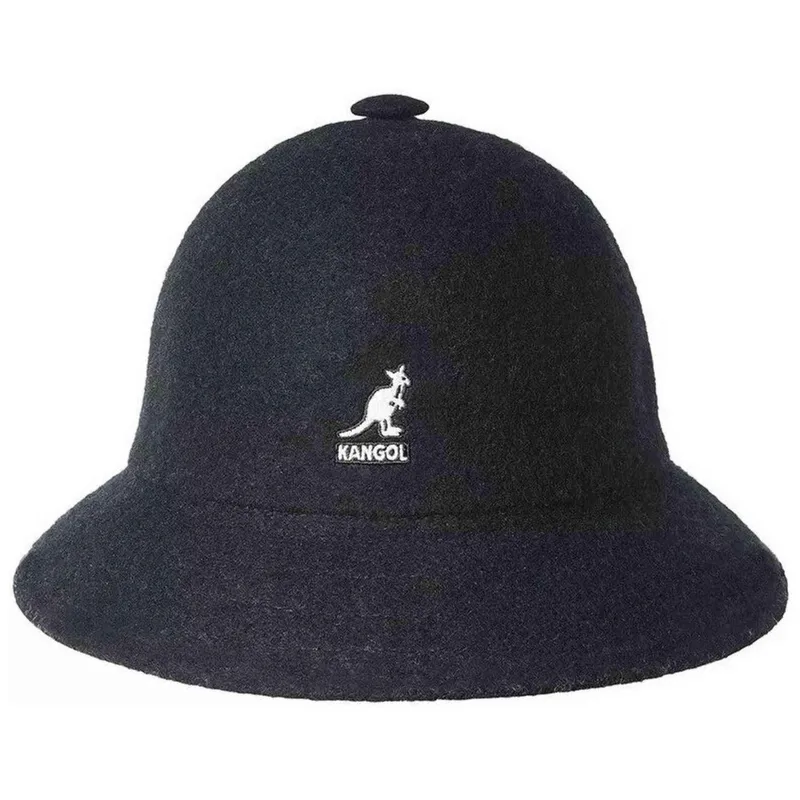
A cap that sat perfectly on a grown-out cut can turn on you after a fresh fade. The shape of the haircut changes the volume around the sides and back. A low taper leaves more weight at the nape; a high skin fade strips it out. That changes how a New Era 9FORTY or a unstructured five-panel sits. Sometimes a cap that felt snug suddenly feels like it's floating. Sometimes it grips too high.
The fix isn't complicated. Give it a day. A fresh cut is at its tightest and most severe in the first 24 hours. Caps look better on day two. If you're heading to a drop queue straight from the chair, take a beanie or go bare. Forcing a cap onto a fresh skin fade is how you end up adjusting it every 30 seconds like you're signalling a plane.
Hoods, collars and the ear-to-neck gap
Hoodies are the real test. An overhead hood sits differently when the back and sides are clean. A zip-up can look sharper because the collar frames the neckline instead of swallowing it. If you've just had a taper at the nape, a heavy hood won't bunch the same way. That's a good thing. It means the hood lies flatter, the silhouette gets cleaner, and you look less like you're wearing a costume.
Crew neck tees become more deliberate too. A fresh cut exposes the neck, which means the collar of a plain tee has to sit right. If it's stretched, you'll see it. If it's too high, you'll feel it. This is where the barbershop mirror beats the shop window. The window shows the outside silhouette. The chair shows the detail.
The three-day rule
Most people don't plan their haircut around their outfits. They should. A fresh cut has a rhythm. Day one is sharp, almost too sharp. Day two settles. Day three is the sweet spot where caps sit right, hoods stack naturally and the whole fit feels less stiff. If you've got a big drop on Saturday, don't get a skin fade on Friday night. Get it Wednesday. Give the cut time to become yours again.
Mirror check over shop window
A shop window gives you a side-on glance and flattering light. A barbershop mirror gives you front, back and both sides under a strip light. It's brutal in the best way. One regular in Peckham told me he's bought less after a haircut than at any other time. 'You see what you actually look like,' he said. 'Not what you want to look like.' That's the energy.
Building a fit around a new cut — without costume energy
A fresh trim can tempt you into a full reset. Don't. Here's the practical version.
Keep the palette quiet. Let the cut be the change. A clean fade with a loud all-over print can tip into try-hard. One statement piece is enough — a jacket, a trainer, a cap. Not all three.
Match volume to the cut. Tight at the sides means you can carry a boxier top without looking swamped. Longer on top means looser layers work better. A sharp taper with a slim, cropped jacket can look great; a sharp taper with an oversized hoodie can look like you're wearing someone else's clothes.
Let the neck breathe. No scarf stuffed into a fresh collar. No hood pulled tight around a clean nape. Give the neckline space and the cut does its job.
Unstructured caps are your friend. If you're between sizes or between cuts, a soft six-panel or a beanie is more forgiving than a structured cap with a stiff brim.
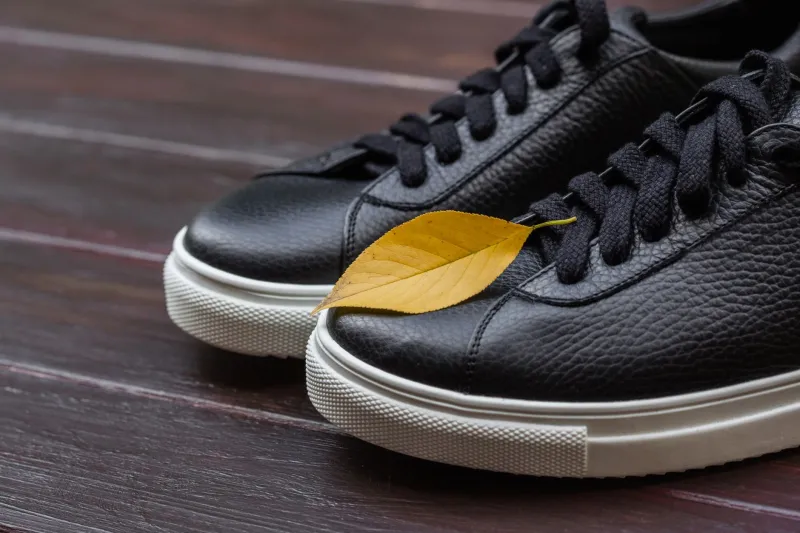
Anchor with footwear. A chunky trainer balances a sharp, clean cut. A slim shoe with a boxy hoodie needs careful layering or it looks bottom-light. This is the kind of thing the mirror tells you in three seconds.
Don't buy a new wardrobe after one trim. Rotate what you've got. The cut changes the fit more than a new purchase will.
The barbershop as local radar
Barbershops see the real rotation before the blogs do. They see what people actually wear to sit in a chair, not what they wear for a photo. In Manchester, barbers were clocking the cargo comeback months before it hit the timelines. In London, they see trainer swaps in real time. In Leeds, the terrace influence shows up in scarves and straight-leg denim. That's not a trend report. It's better. It's ground level.
So next time you book a trim, treat it as a fit check. Wear something honest. Watch the mirror. See what the cut does to your cap, your hood, your collar. Then adjust. The barbershop has been streetwear's unofficial fitting room for years. It's about time we admitted it.