The Quiet Kit: Why UK Streetwear's Biggest Statement Is No Logo at All
Photo: heavyweight blank cotton t-shirt fabric texture close up, via img.freepik.com
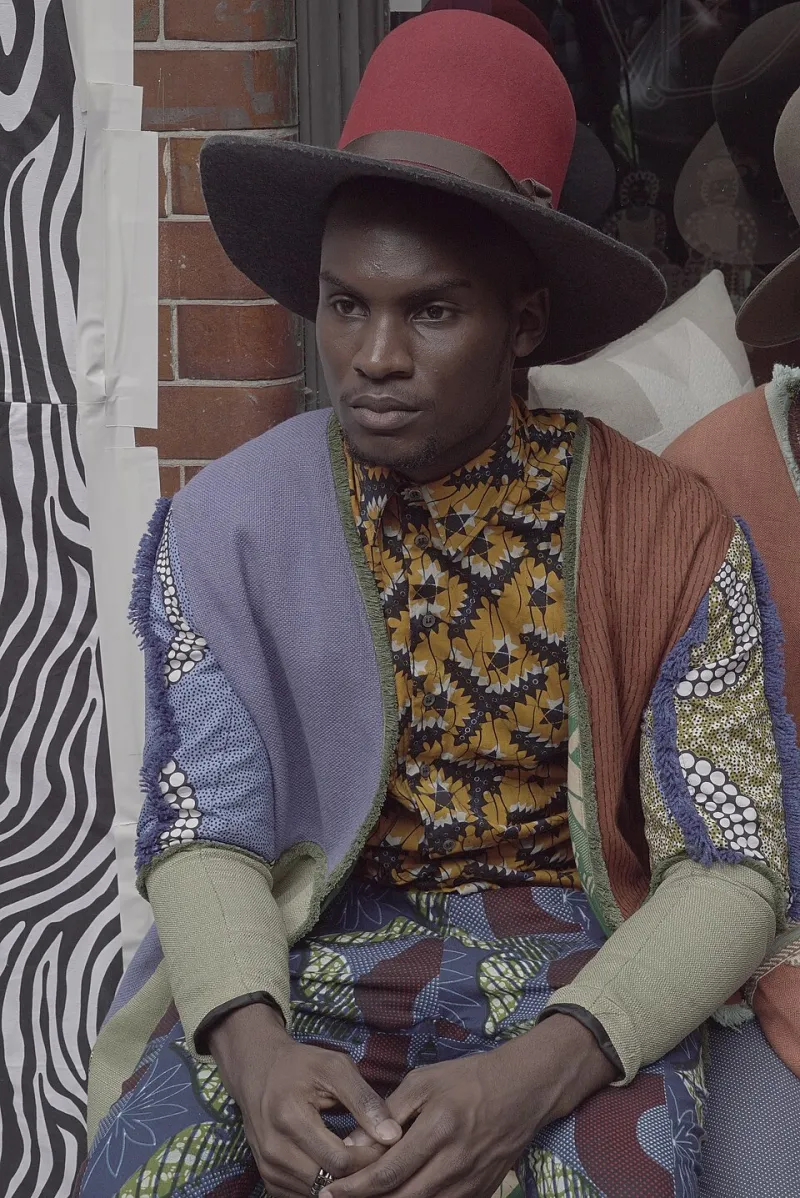
The most confident thing you can wear in the UK right now is a blank T-shirt. Not a cheap one, not a baggy one with a joke on it, but a proper one: heavy enough to hold its shape, cut well through the shoulder, plain enough that nobody can read your price tag from across the pub. In 2026, the streetwear heads who used to chase the biggest logo are increasingly opting for quiet kit. The shift is not about minimalism as a personality. It is about control.
Logo fatigue is not a theory
Walk through any city centre and the old status symbols are everywhere. The same branded hoodie, the same monogram bag, the same collaboration tee that sold out in ninety seconds and then sat on resale sites for months. Logos have become entry-level. When everyone can identify the brand from twenty paces, the brand stops doing the work of signalling taste. It just signals that you bought the thing. UK wearers have noticed. The result is a slow move away from chest-logo shouting and towards pieces that reward a second look: a back print, a heavy loopback, a jacket that hangs just right.
Fabric is the new flex
The quiet-kit mood starts with touch. A 300gsm cotton tee feels different from a 150gsm one. Loopback fleece has a weight and a drape that cheap terry cannot fake. Garment-dyed cotton has a depth of colour that flat dyeing misses. Selvedge denim, dry hand-feel, brushed twill, ripstop with a bit of structure — these are the details people are talking about now. In 2026, fabric weight is a pub conversation. Heads compare grams per square metre the way they used to compare sneaker silhouettes. That is not nerdery for its own sake. Heavier cloth hangs better, ages better and makes a plain piece look intentional rather than accidental.
Fit does the talking
The second half of the quiet-kit equation is cut. A blank tee can still look rubbish if the shoulders are wrong or the body is too long. The pieces leading the mood are considered rather than oversized for the sake of it: boxy but not sloppy, wide but structured, cropped where it needs to be. Think a heavy tee with a dropped shoulder and a straight hem, a loopback hoodie with a proper hood and a rib that does not gape, a pair of wide-leg cotton trousers with a rise that sits at the waist instead of the hip. The silhouette is the statement. You do not need a logo when the proportion is doing the work.
The UK context
This is not an imported trend from a runway. It makes sense here. UK weather demands layers that can take a bit of rain and a bit of walking. Public transport demands clothes that do not crease into oblivion after twenty minutes on the Northern line. The pub demands something that looks good sitting down. Quiet kit fits all of that. It is also a reaction to the cost of living: if you are spending £80 or £90 on a hoodie, you want to wear it three times a week, not save it for a photo. Wearability is the new hype.
What status looks like now
Streetwear status used to be instant. A logo told you who was in the know. Now the knowledge is more subtle. It is knowing which label makes a proper 400gsm fleece, which cut works for your shape, which small brand is actually producing in the UK rather than printing on blanks and calling it a day. Names that keep coming up in this conversation include Community Clothing for honest UK-made basics, Camber for heavyweight fleece, Our Legacy and Studio Nicholson for considered cuts, Carhartt WIP for workwear that does not shout, and YMC for understated everyday pieces. None of them are secret, but none of them rely on a giant logo to be recognised. That is the point.
Quiet is not the same as boring
There is a risk here. Quiet kit can become its own uniform: expensive blanks, neutral colours, everyone looking like a Scandinavian architect on a day off. A £90 plain tee is not automatically better than a £30 one. The fabric has to be right, the fit has to work, and the production story has to be more than a line on a website. Quiet should mean considered, not anonymous. Back prints, small embroideries, interesting textures and unusual proportions all have a place. The mood is not anti-design. It is anti-shouting.
The loudest move
In 2026, the loudest thing a UK streetwear head can do is wear something that does not announce itself. A heavy blank tee, a well-cut hoodie, a pair of trousers that sit properly — these are not boring clothes. They are clothes that let the wearer do the talking. The logo era is not over. But the smart money is on fabric, fit and the confidence to leave the chest blank. Quiet kit, loud presence. That is the new uniform.